

01.
 588
588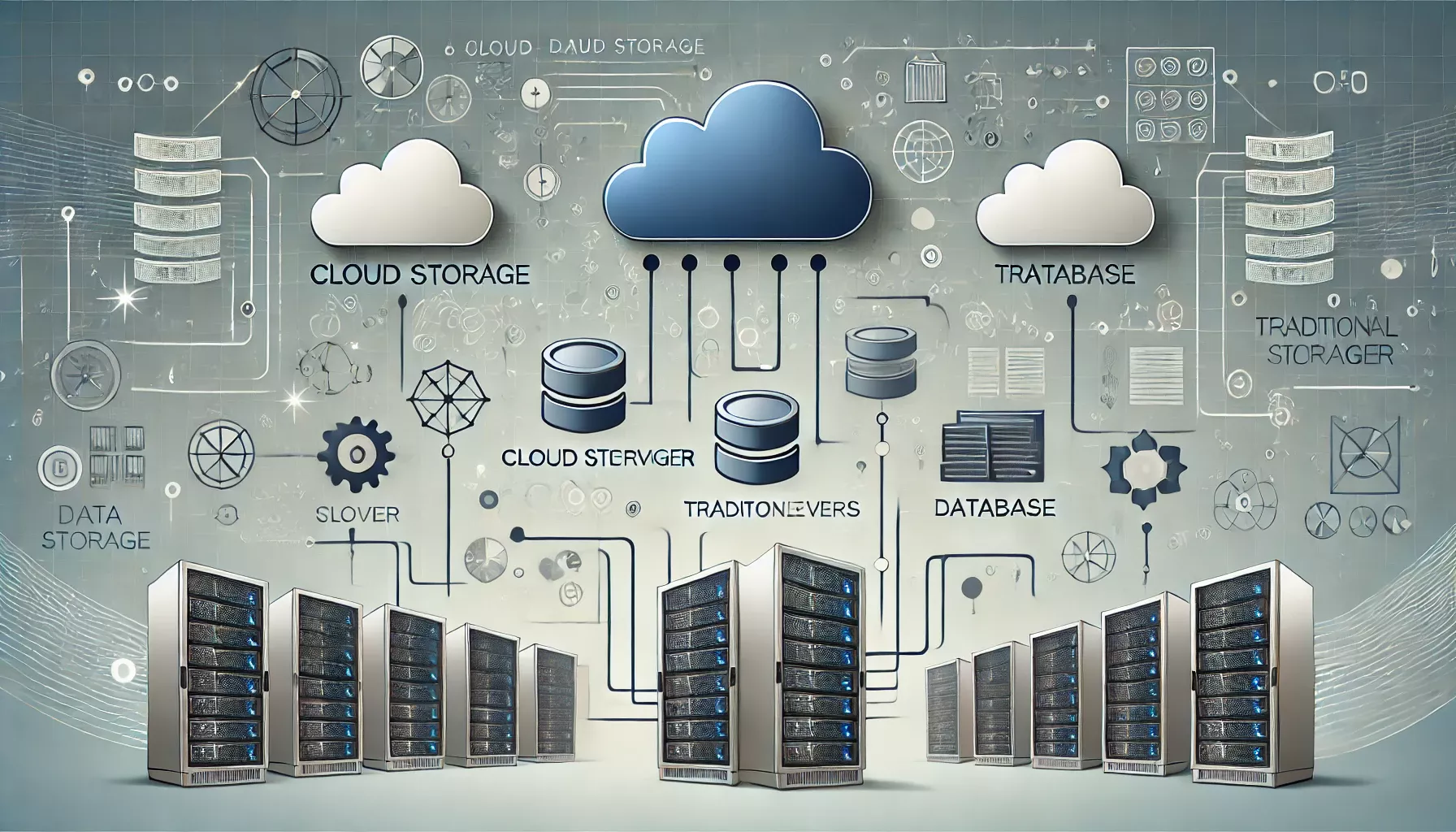
In today’s world, data forms the backbone of business growth. Choosing the right method for storing and processing data can significantly enhance efficiency. In this article, we will explore various data storage options and their advantages for different types of businesses.
Main Types of Data Storage
-
Cloud Storage Cloud solutions such as Google Drive, Dropbox, and others are ideal for small and medium-sized businesses. They offer flexibility, high availability, and ease of implementation.
Advantages:
-
Access from anywhere in the world
-
Affordable plans for small businesses
-
Automatic backups
Disadvantages:
-
Dependence on the network
-
Cybersecurity concerns
-
-
Traditional Servers Private servers or hosting services are often used by medium and large businesses. They provide full control over data and allow for custom solutions.
Advantages:
-
Full control over data
-
Customization options
-
High security
Disadvantages:
-
High costs for implementation and maintenance
-
Need for an in-house IT team
-
-
Databases Databases enable efficient storage and management of large volumes of structured data. These solutions are particularly useful for e-commerce and CRM systems.
Advantages:
-
Fast data access
-
Data analysis capabilities
-
Integration with other systems
Disadvantages:
-
Complexity of implementation
-
High configuration costs
-
How to Choose the Right Option
When choosing a data storage method, consider the following factors:
-
Business Scale: Small companies may start with cloud solutions, while large ones can invest in private servers or databases.
-
Data Type: For unstructured data, cloud storage is better, while structured data benefits from databases.
-
Budget: Cloud services offer flexible pricing, whereas servers require substantial upfront investments.
-
Security Requirements: For handling confidential data, consider local servers or private clouds.
-
Integration Needs: If your business uses multiple systems, databases with integration capabilities are an optimal choice.
Each solution has its pros and cons, and the choice depends on your business’s specific needs. Assess your current tasks, business scale, and available budget to find the best data storage method. If you are unsure, consult professionals who can develop the right solution tailored to your needs.

Last News

Cloud Technologies in Web Development: New Opportunities in 2025

Content Personalization Through AI: Trends for 2025


Overview of Popular CMS for Websites in 2025


Send comment